Pixelarc: The Retro Pixel Display Typeface for 8-Bid Branding
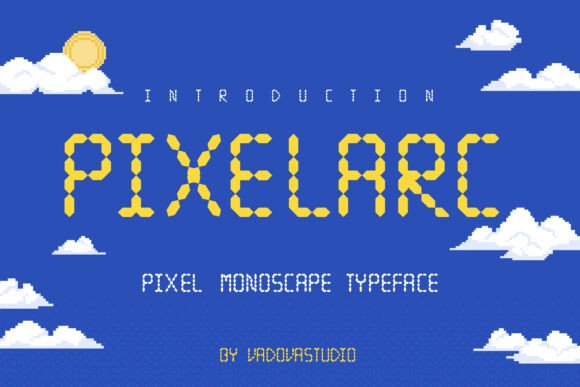
I opened a blank brand board this morning, staring at a white canvas that needed a personality shift. The client was launching a boutique coffee roaster with a focus on local, artisanal beans, but the initial mood board felt too sterile and corporate. I needed something that whispered nostalgia without screaming "video game." That is when I pulled Pixelarc from my library. This retro pixel display typeface designed with a monospaced grid structure instantly transformed the layout. Inspired by 8-bit arcade games, pixel RPG interfaces, and nostalgic screen typography, its blocky dot-based characters brought an immediate sense of playful authenticity to the project. It wasn't just a font choice; it was the anchor for a cohesive visual identity that felt both modern and timeless.
How Pixelarc Transforms Logo Design for Creative Studios
When testing Pixelarc as a logo font, the results were surprisingly robust. Unlike many decorative fonts that lose definition when scaled down, the strict monospaced grid structure ensures every letter maintains perfect alignment and weight. I applied the typeface to a draft concept for a creative studio's primary mark, and the blocky aesthetic created a striking geometric lockup that stood out against the soft background colors. The design worked because the font mimics the precision of early digital displays, making it ideal for brands that want to communicate technical skill wrapped in a friendly, approachable package. For businesses targeting gamers, tech enthusiasts, or anyone who appreciates retro-modern aesthetics, using Pixelarc in a logo design signals a clear understanding of visual culture. It creates a memorable symbol that feels handcrafted yet digitally native, perfect for standing out in a crowded marketplace.
Why Pixelarc Excels in Packaging Design and Product Labels
The true test of any Fonts collection comes when moving from screens to physical materials, and Pixelarc held up remarkably well on our packaging mockups. I placed the typeface on a series of product labels for a line of handmade soaps, where the contrast between the organic shapes of the soap bars and the rigid, square pixels created a fascinating visual tension. The blocky dot-based characters are highly legible even at smaller sizes, which is crucial for ingredient lists or short slogans on tight spaces. Because it is classified as a Decorative typeface, it naturally draws the eye, acting as a powerful headline element that guides the consumer's attention before they even read the details. When used for product labels, Pixelarc elevates the perceived value of the item, suggesting a craft-oriented, thoughtful brand rather than a mass-produced commodity.
Building Visual Hierarchy with Pixelarc on Social Media Graphics
In the realm of social media graphics, where attention spans are fleeting, Pixelarc offers a distinct advantage. I experimented with the font on Instagram post headers and story overlays, finding that its high-contrast, pixelated nature cuts through the noise of standard feeds. The retro vibe resonates strongly with audiences familiar with 8-bit arcade games, creating an instant emotional connection. However, the key to success lies in pairing. I found that combining Pixelarc with a clean, minimalist sans serif font for body text allowed for excellent readability while maintaining the bold, artistic flair of the headlines. This combination ensures that while the design remains eye-catching, the message isn't lost in the style. For content creators looking to build a unique brand voice, using Pixelarc as an accent font can turn ordinary posts into shareable assets that reflect a specific, curated aesthetic.
Where Pixelarc Falls Short: Limitations for Body Text and Corporate Use
While Pixelarc is a powerhouse for headlines and logos, it is not a one-size-fits-all solution for every design challenge. During my review, I attempted to use the typeface for long-form editorial design, such as blog articles or newsletter body copy, and quickly realized its limitations. The monospaced grid structure, while beautiful for titles, makes paragraphs feel blocky and difficult to scan over extended reading sessions. It simply lacks the fluidity required for comfortable long-form reading. Furthermore, for formal corporate use or industries requiring a serious, understated tone—like law firms or medical practices—this font might be too playful or distracting. As a Decorative typeface, its strength lies in being a statement piece, not a supporting workhorse. Designers should reserve Pixelarc for short phrases, titles, and branding elements where impact matters more than volume.
Pairing Strategies: Combining Pixelarc with Modern Typography Systems
To get the most out of Pixelarc, strategic font pairing is essential. I discovered that the best results come from balancing the rigid geometry of Pixelarc with softer, more organic typefaces. A classic serif font works beautifully to ground the retro feel, adding a touch of sophistication that prevents the design from looking like a simple video game screenshot. Alternatively, pairing it with a rounded sans serif font creates a contemporary look that bridges the gap between old-school pixels and modern UI design. If you are working on a website header, try using Pixelarc for the main navigation or hero title, then switch to a highly readable sans serif for the menu links and content. This approach leverages the unique character of the font while ensuring the user experience remains smooth and professional across all devices.
Final Considerations Before Downloading Pixelarc for Your Next Project
Before integrating Pixelarc into your final client work, it is wise to review the included styles, alternates, and file formats to ensure they meet your specific needs. Most premium font packages offer webfont availability, which is critical if you plan to use the typeface on websites, ensuring consistent rendering across different browsers. Additionally, always check the commercial font licensing terms carefully. Whether you are designing templates, merchandise, print-on-demand products, or digital assets, understanding the scope of your license protects both you and your client. Pixelarc is a versatile tool that brings a unique, nostalgic charm to branding projects, but like any Decorative font, it requires thoughtful application to achieve the best results. By testing it on real-world assets like business cards, posters, and flyers, you can determine exactly how this retro pixel display typeface fits into your creative workflow.